Astronomer har utsatt Einsteins allmänna relativitetsteori för sitt strängaste prov hittills utanför Vintergatan, med hjälp av instrumentet MUSE på ESO:s jätteteleskop VLT i Chile och NASA/ESA:s rymdteleskop Hubble. Den närliggande galaxen ESO 325-G004 fick agera som en gravitationslins som förvränger ljus från en mer avlägsen galax som ligger bakom den. Detta skapar en så kallad Einsteinring runt galaxen. Genom att jämföra galaxens massa med hur rymden kröks kring den kunde astronomerna konstatera att gravitationen fungerar som väntat enligt den allmänna relativitetsteorin också i astronomisk skala. Detta utesluter några alternativa teorier om tyngdkraftens beskaffenhet.
Pressmeddelandet med bilder och filmer finns på:
https://www.eso.org/public/sweden/news/eso1819/
med vänliga hälsningar,
ESO:s avdelning för utbildning och utåtriktade aktiviteter
21 juni 2018
|
19 juni 2018: Each year, several outstanding early-career scientists have the opportunity to further develop their independent research through post-doctoral programmes at ESO. The ESO Fellowship Programme is available both in Chile and ...
|
| Läs mer |
|
19 juni 2018: The winners of this year’s AstroCamera competition have been announced. Polish astrophotographer Andrzej Fijołek is the winner in the Deep Sky Objects category for his spellbinding image of the ...
|
| Läs mer |
|
14 juni 2018: The winner of the AstroCamp 2018 bursary offered by ESO has now been selected from over 50 applications from more than 10 countries. ESO is delighted to announce that Paloma ...
|
| Läs mer |
|
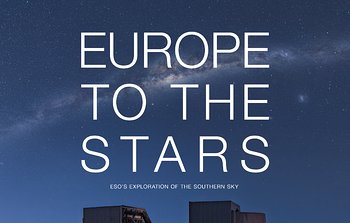
14 juni 2018: ESO is proud to announce the release of Europe to the Stars, a brand new open-source planetarium show that tells the story of ESO’s exploration of the southern sky ...
|
| Läs mer |
|
Interview with: Martino Romaniello
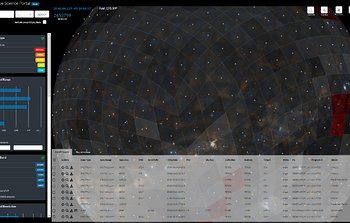
15 juni 2018: ESO is proud of being the most productive ground-based observatory in the world, making observations that led to over one thousand scientific papers in 2017 alone. But to produce such ...
|
| Läs mer |
|
|
|
|