Przy Bardzo Dużego Teleskopu (VLT), należącego do Europejskiego Obserwatorium Południowego, zespół astronomów uzyskał najostrzejsze i najbardziej szczegółowe jak dotąd zdjęcia planetoidy Kleopatra. Obserwacje pozwoliły naukowcom bardziej precyzyjnie określić trójwymiarowy kształt i masę tej nietypowej planetoidy (asteroidy), która przypomina psią kość. Wyniki dostarczają wskazówek na temat tego w jaki sposób uformowała się ta asteroida i jej dwa księżyce.
Pełen tekst, zdjęcia i filmy są dostępne na stronie:
https://www.eso.org/public/poland/news/eso2113/
Z pozdrowieniami,
The ESO Department of Communication
9 września 2021
|
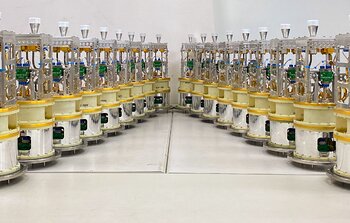
8 września 2021: First light has been achieved for a new set of receivers installed on the Atacama Large Millimetre/submillimetre Array (ALMA), in which ESO is a partner. The band 1 receivers ...
|
| Czytaj dalej |
|
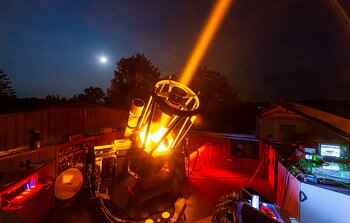
31 sierpnia 2021: A powerful experimental laser, based on ESO technology, passed a key test last month at the Allgäuer VolksSternwarte Ottobeuren observatory in Germany. The adaptive-optics laser, developed in collaboration with industry ...
|
| Czytaj dalej |
|
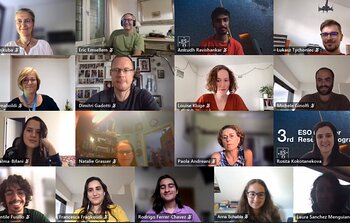
27 sierpnia 2021: 2021 marks the third year of the ESO Summer Research Programme. For six weeks this summer, six talented university students from across the globe got to experience life as an ...
|
| Czytaj dalej |
|
Juan Carlos Muñoz Mateos
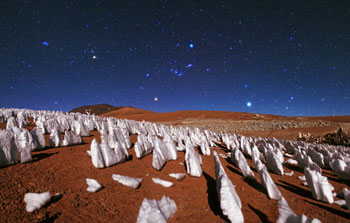
13 sierpnia 2021: ESO operates observatories in Chile’s Atacama Desert, one of the driest places on Earth. You are likely familiar with the stunning night sky views this extreme environment provides astronomers, but ...
|
| Czytaj dalej |
|
|
|
|