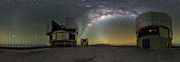
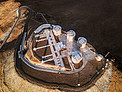
Con la ayuda del Very Large Telescope, del Observatorio Europeo Austral (VLT de ESO), un equipo de astrónomos ha descubierto y estudiado en detalle la fuente más lejana de emisiones de radio conocida hasta la fecha. La fuente es un cuásar "radio-intenso", un objeto brillante con potentes chorros que emiten en longitudes de ondas de radio. Está tan lejos que su luz ha tardado 13.000 millones de años en llegar hasta nosotros y el descubrimiento podría proporcionar importantes pistas para ayudar a los astrónomos a entender el universo temprano.
La nota de prensa, imágenes y vídeos, están disponibles en:
https://www.eso.org/public/chile/news/eso2103/
Atentamente,
The ESO Department of Communication
8 de Marzo de 2021

|
2 de Marzo de 2021: La última edición de la revista de ESO, The Messenger, ya está disponible en línea. Esta es una edición especial dedicada al programa de instrumentación del Extremely Large Telescope (ELT ...
|
| Leer más |

|
1 de Febrero de 2021: Desde su primera luz en el 2006, el espectrógrafo CRIRES de alta resolución en el infrarrojo instalado en el Very Large Telescope (VLT) de ESO, ha llevado a cabo una ...
|
| Leer más |
|
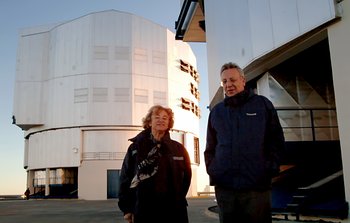
Interview with Catherine Cesarsky
8 de Marzo de 2021: In celebration of International Women’s Day, we spoke to Catherine Cesarsky, who was ESO Director General between 1999 and 2007. Since then, she has taken on a number of prestigious ...
|
| Leer más |
|
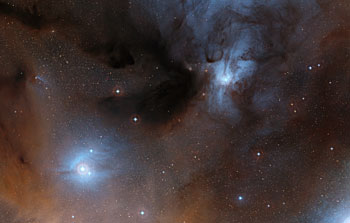
Vera Matenaar, Giulia Perotti, Catarina Fernandes and Hannah Calcutt
26 de Febrero de 2021: We are all familiar with the awe we experience when looking up at the stars. For many people, this sense of wonder leads to inspiration. Astronomers look up and are ...
|
| Leer más |

|
11 de Febrero de 2021: To mark the International Day of Women and Girls in Science, we spoke to astronomers and engineers at ESO to find out who their female role model in science or ...
|
| Leer más |
|
Justin Tabbett
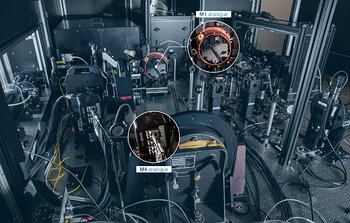
29 de Enero de 2021: In a laboratory at ESO headquarters, there is a setup of optics, lenses and mirrors aiding the development of the Extremely Large Telescope — the Miniscule ELT, otherwise known as ...
|
| Leer más |
|
|
|
|